The Chicken and the Egg: Automotive Telematics, Protocol Validation, and the origins of fluxrig
Recently, I had the pleasure of speaking at a Tribu Latam event (you can read more about it here: ¿Quién controla al vigilante? Tecnología, privacidad y el desafío de los estados digitales). The discussion brought back a flood of memories from my days in automotive hardware, reminding me that while technology evolves, the fundamental challenges of sovereignty and protocol control remain exactly the same.
That specific theme of digital sovereignty transported me straight back to our work on the ACP245 project. During that initiative, we were deep in the trenches developing both hardware and firmware for a Telematics Control Unit (TCU). Our architecture was heavily based on the Wavecom reference design, originally intended for the European Commission’s eCall initiative.
Interestingly, similar sweeping regulatory mandates were being pushed in South America at the time. The corresponding mandate for mandatory tracking chips in Brazil was eventually halted due to severe privacy concerns. While I fundamentally agree that forcing government-mandated tracking chips into all vehicles poses a massive threat to individual privacy, from a purely engineering perspective, tackling that magnitude of complexity and scale was an incredible catalyst for my professional growth.
The Telematics Bottleneck: A Hallway Chat in Brazil
The year was 2008. I was at a meeting in Brazil hosted by ANFAVEA and SENATRAN discussing automotive regulations and telematics. During a coffee break, I crossed paths with an executive from a major Tier-One automotive provider.
He was visibly frustrated. They had been struggling for a long time, unable to make progress with their outsourcing teams in India. The bottleneck? Validating the protocol of their brand new Automotive Telematics Control Unit (TCU).
It was the ultimate chicken-and-egg scenario. Firmware engineers couldn’t test the hardware because the backend providers weren’t ready. And the backend providers couldn’t code their endpoints without validated hardware transmitting real data. Progress was paralyzed.
I argued that in our own implementations, we bypassed this entirely by building a programmable simulator (a robust mock-server capable of ingesting, decoding, and stress-testing raw binary payloads in real-time).
 Early hardware testing and validation setup in our lab.
From Hardware Testing to an Automotive SaaS Standard
That simple hallway chat changed everything. It led directly to that Tier-One provider hiring us for our testing and protocol validation solution.
My colleague Santiago Aguiar built an absolutely brilliant implementation in Python. We ended up hosting it as a SaaS on Rackspace. Think about that: a cloud-hosted SaaS for automotive protocol validation… starting in 2008! (This was long before the explosion of modern cloud hyperscalers like AWS or Azure).
There was never an explicit corporate decision to “build a SaaS product”. Reality simply pushed us in that direction. Because the solution was so effective, it organically grew to become a de-facto standard in the region. Soon, top-tier automotive companies and their suppliers were relying on our protocol validator. It even reached the point where official certification companies like NCC Group and TÜV Brasil were using our platform for their compliance testing.
Global Reach and Local Support
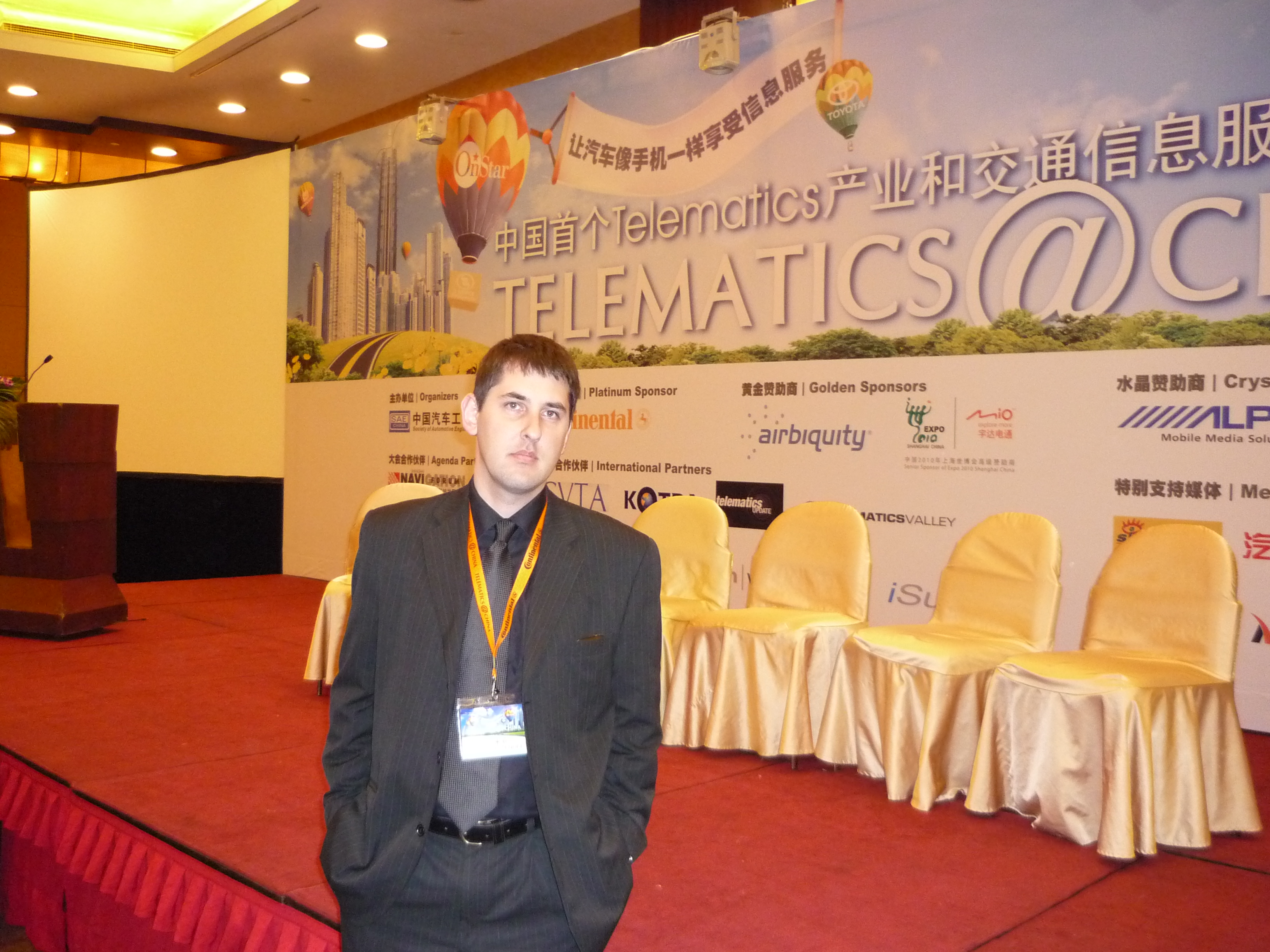
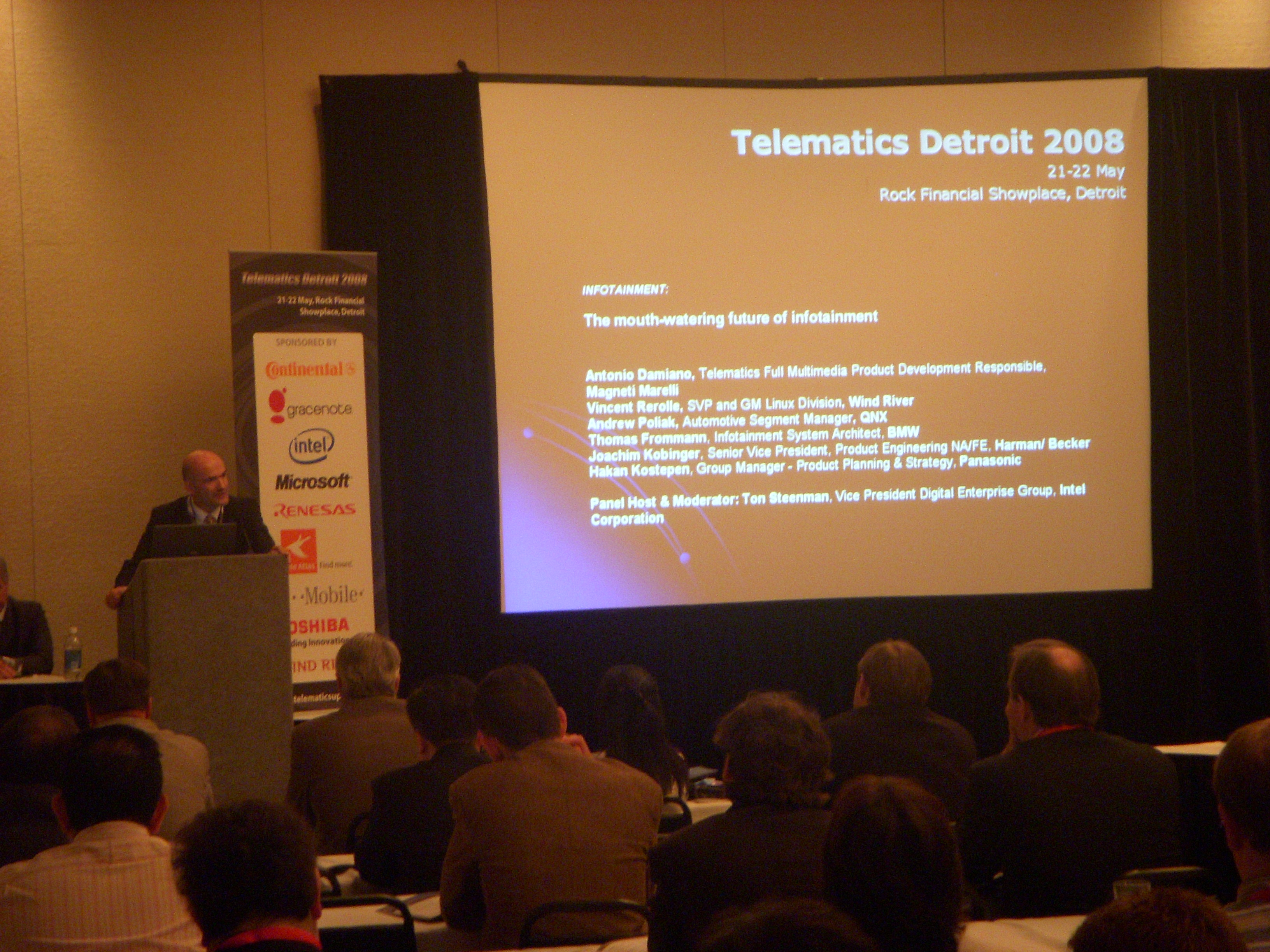
This project opened incredible doors for us globally. It led to participating in massive international telematics instances in Detroit and Shanghai, as well as regional forums like Telematics Update LATAM, and performing specialized consulting for major European companies like Aspöck and Teletrac Navman.
This entire journey was deeply rooted in the local tech ecosystem of Uruguay. The project involved deep collaboration with ORT University and was co-financed by the MIEM FOCEM fund. It’s always rewarding to look back at the impact documented by ORT, from our participation in international instances like iTelematics Detroit to presenting the results of our technology at official MIEM events.
Protocol Translation at the Edge: The Road to fluxrig
Looking back, the ACP245 project was fundamentally about edge data, protocol translation, and rigorous validation.
When you build mission-critical hardware that moves on highways, you cannot afford protocol mismatches. The simulator and validator we built in Python ensured that the hardware and the cloud could “speak the same language” before millions of units were deployed.
Today, as we build fluxrig, I see the exact same patterns. Whether it’s a vehicle tracking unit in 2008, a modern edge payment orchestrator, or massive IoT deployments tracking livestock and cattle in 2026 (a topic I explored recently in my Nostalgia del M2M post), the need for robust testing capabilities and protocol translation at the edge remains paramount.
As we move fully into the era of AI, executing edge processing locally has become critical to reduce latency, save bandwidth, and ensure privacy. This paradigm of bringing intelligent processing to the edge is the cornerstone of the upcoming roadmap for fluxrig. It is the modern evolution of those early battles: an edge-to-cloud orchestrator built with testing and validation embedded in its core DNA, ensuring that the “chicken and egg” problem of protocol integration is finally a thing of the past, no matter the industry.